Understanding the Unique World of Medicinal Mushroom Benefits
Medicinal Mushroom Benefits — Then and Now
Understanding medicinal mushrooms can be a complex, fascinating and often confusing journey. Mushrooms are just so unique. They hold a special place in the ecosystem. They act as nature's recyclers— breaking down organic matter and playing crucial roles in nutrient cycling. Their mycelial networks create a vast underground communication system, connecting trees and plants and exchanging nutrients and information. This contributes to the health and resilience of entire ecosystems. Here at West Wolf, we are invested in the human perspective, where mushrooms offer a plethora of benefits— both culinary and medicinal. We came to mushrooms through eating and farming fungi. And now we benefit from medicinal mushroom extracts for their healing qualities. It is so interesting that across cultures and throughout history, humans have recognized the therapeutic potential of certain mushroom species. In fact in ancient times, medicinal mushrooms were revered for their perceived healing properties and often associated with divine or mystical powers. In traditional Chinese medicine, which we study, mushrooms such as reishi (ganoderma lingzhi), shiitake (Lentinula edodes), and turkey tail (Trametes versicolor) have been used (as well as farmed!) for thousands of years to promote health and longevity, boost immunity, and support overall well-being.
Today, we have scientific research that sheds light on why these mushrooms have been used as healing medicine by our ancestors. They are discovering the bioactive compounds found in mushrooms and their potential medicinal applications. Compounds like beta-glucans, polysaccharides, and triterpenoids found in certain mushrooms exhibit anti-inflammatory, immunomodulatory, and antioxidant properties, among others. This has led to a growing interest for medicinal mushrooms as complementary and alternative remedies for various health conditions, including immune disorders, cancer, cardiovascular diseases, and neurodegenerative disorders. For us, we use it as a complimentary remedy for cancer and an alternative medicine for the symptoms of aging (inflammation and brain fog).
Fungi also have incredible potential in sustainable agriculture, bioremediation, and alternative materials production. Here in Boulder, CO our friend Zach at Boulder Mushrooms received a grant to study the use of mycelium to restore our wildfire damaged land.
In traditional Chinese medicine, which we study, mushrooms such as reishi (ganoderma lingzhi), shiitake (Lentinula edodes), and turkey tail (Trametes versicolor) have been used (as well as farmed!) for thousands of years to promote health and longevity, boost immunity, and support overall well-being.
Today, we have scientific research that sheds light on why these mushrooms have been used as healing medicine by our ancestors. They are discovering the bioactive compounds found in mushrooms and their potential medicinal applications. Compounds like beta-glucans, polysaccharides, and triterpenoids found in certain mushrooms exhibit anti-inflammatory, immunomodulatory, and antioxidant properties, among others. This has led to a growing interest for medicinal mushrooms as complementary and alternative remedies for various health conditions, including immune disorders, cancer, cardiovascular diseases, and neurodegenerative disorders. For us, we use it as a complimentary remedy for cancer and an alternative medicine for the symptoms of aging (inflammation and brain fog).
Fungi also have incredible potential in sustainable agriculture, bioremediation, and alternative materials production. Here in Boulder, CO our friend Zach at Boulder Mushrooms received a grant to study the use of mycelium to restore our wildfire damaged land.
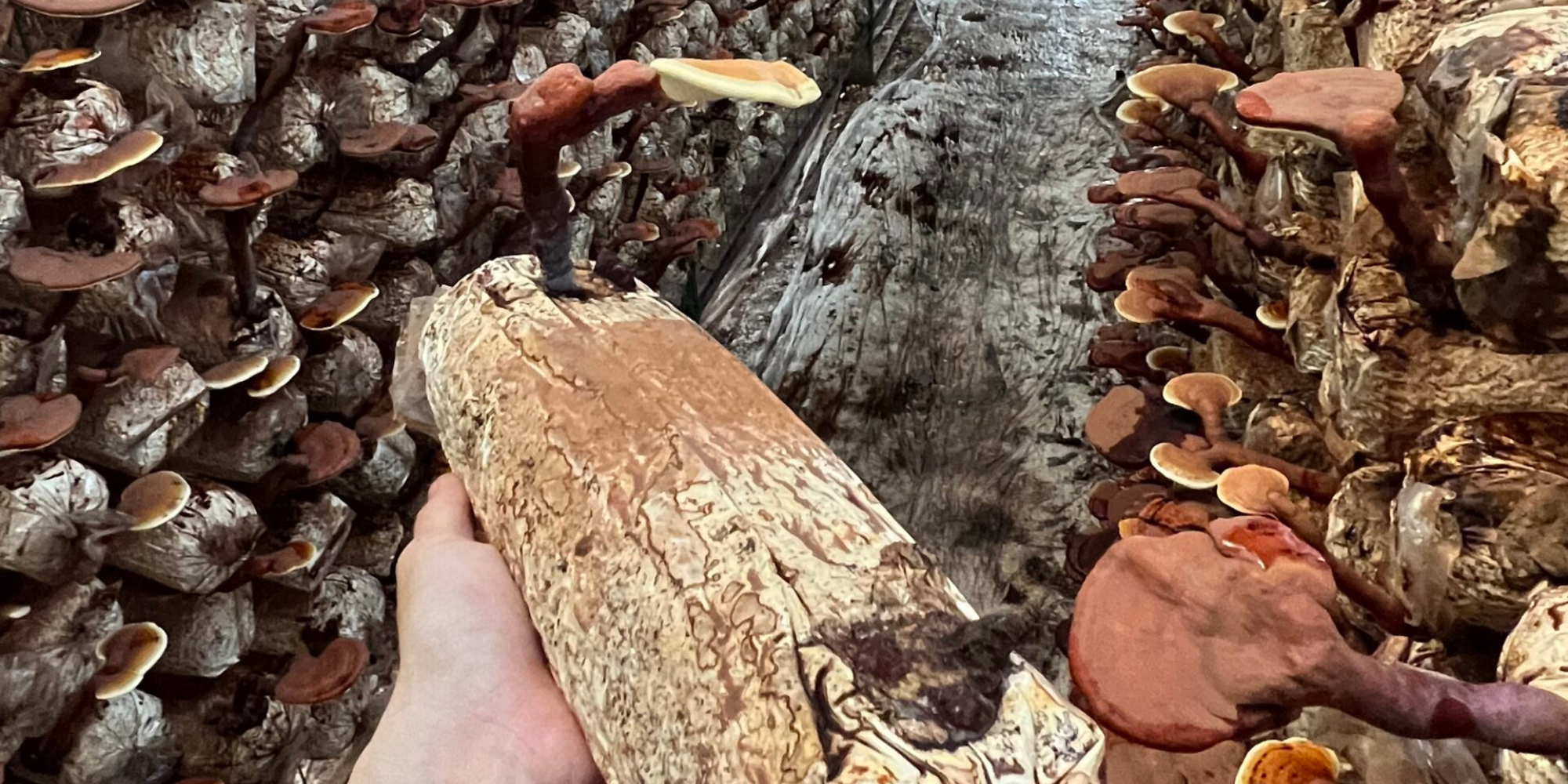
 An organic reishi farm near Hangzou, China where they have been farming for over a 100 years.[/caption]
Here’s a quick rundown of how medicinal mushrooms are turned into supplements. It involves several key steps to ensure potency, purity, and efficacy.
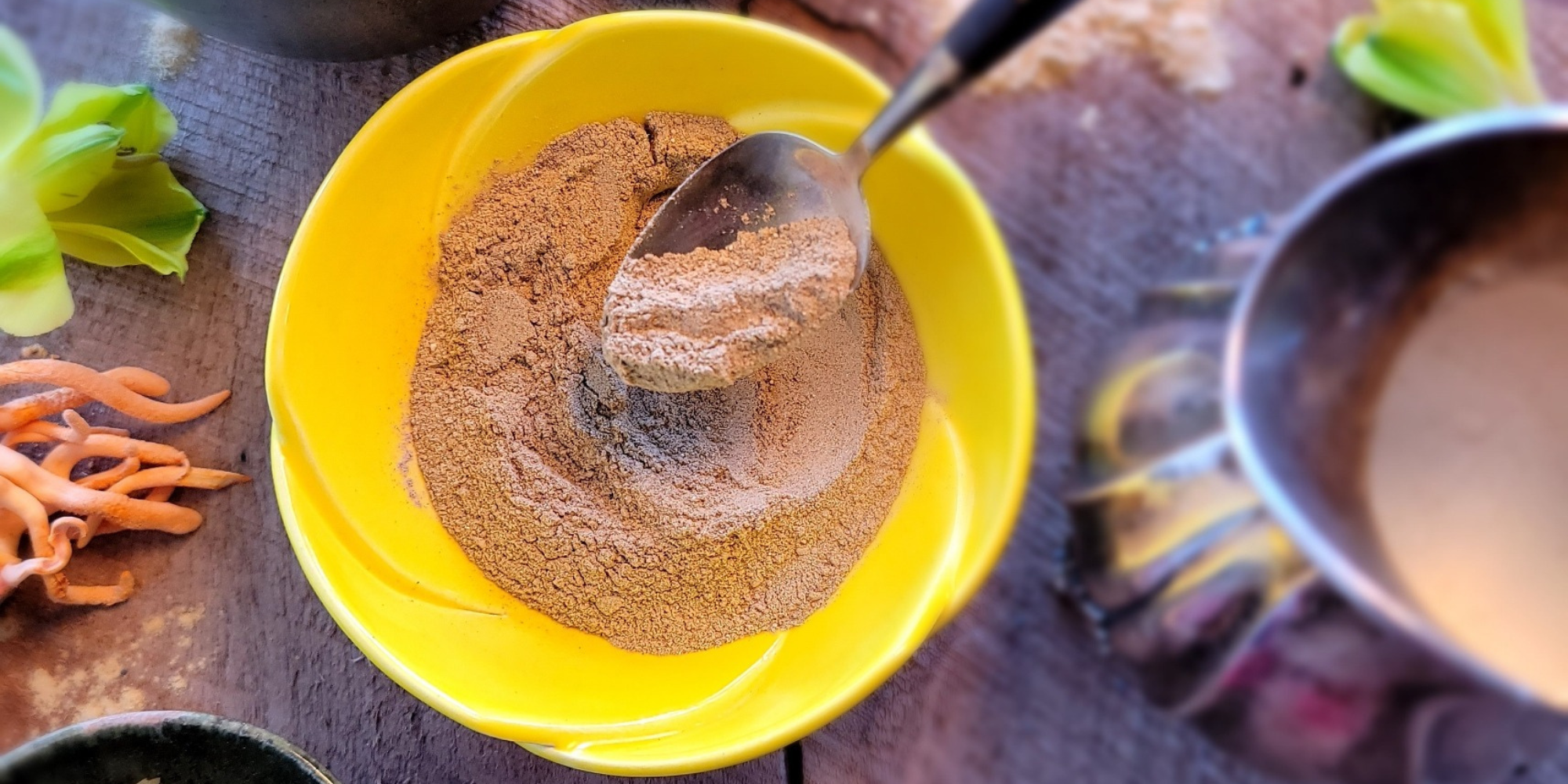
**Farming**: Mushrooms are cultivated in optimal conditions, often on their preferred substrate or log. Careful attention is paid to environmental factors such as temperature, humidity, and light to ensure optimal growth and potency. We import from farms in southern China that have grown mushrooms organically and sustainably for hundreds of years. **Harvesting**: Once mushrooms reach their peak potency and medicinal properties, they are harvested by hand. Harvesting methods may vary depending on the mushroom species and the specific requirements for preserving its beneficial compounds. It also only includes the fruiting bodies. **Extraction**: The harvested mushrooms undergo extraction to isolate their bioactive compounds, such as beta-glucans, polysaccharides, and triterpenoids. This extraction process typically involves hot water or alcohol extraction to break down the tough cell walls of the mushrooms (called chitan) and release their beneficial components. **Processing**: The extracted material is then processed into a powder form. Some companies may use additional ingredients or fillers to speed up the drying process. But a high-quality product, such as West Wolf, avoids additives to maintain purity and potency. **Testing**: Rigorous quality assurance testing is conducted to ensure the purity, potency, and safety of the mushroom supplement. We test for genetic quality, pesticide residues, beta-glucan content (potency measurement), and other quality parameters to keep our organic certification. **Packaging**: Once the product passes quality assurance tests, it is packaged into appropriate containers that meet regulatory standards for safety and freshness.